
The Philippines can be a stunning place to visit for the avid traveler and diver. Getting there can be a journey however, depending on where you’re coming from. I’m often starting from San Diego, California, and my flights can take anywhere from 14-24 hours with layovers; and then there’s the jet lag. But once you’re over these hurdles, you’ll find there is a lot to love about this Southeast Asian archipelago. I won’t go into too much detail here about the country as a whole, but if you’d like to read up on the Philippine Islands, their history and culture, I’d recommend this source for starters.
I will say there has been some extra incentive for me to travel out more often lately for a lovely girl I met just over a year ago. We were both due for a vacation, and we decided that a week on Boracay island would be a nice way to celebrate our year together. (She is by the way a native of the country, and I’ll likely write a post later on about our journey so far together.)

If you’re familiar at all with the “tourist” hotspots in the Philippines, you’ll know that Boracay is at the top of the list. The beaches are absolutely vibrant; bright and healthy palms, pink sands, cottony clouds, and possibly the most stunning sunsets you’ll ever see. We stayed in a beautiful resort right on the beach at the north end of the island (which is referred to as Station 1), and would make a point to be outside every evening to watch the sailboats make their way back to their respective landings after the day’s excursions.
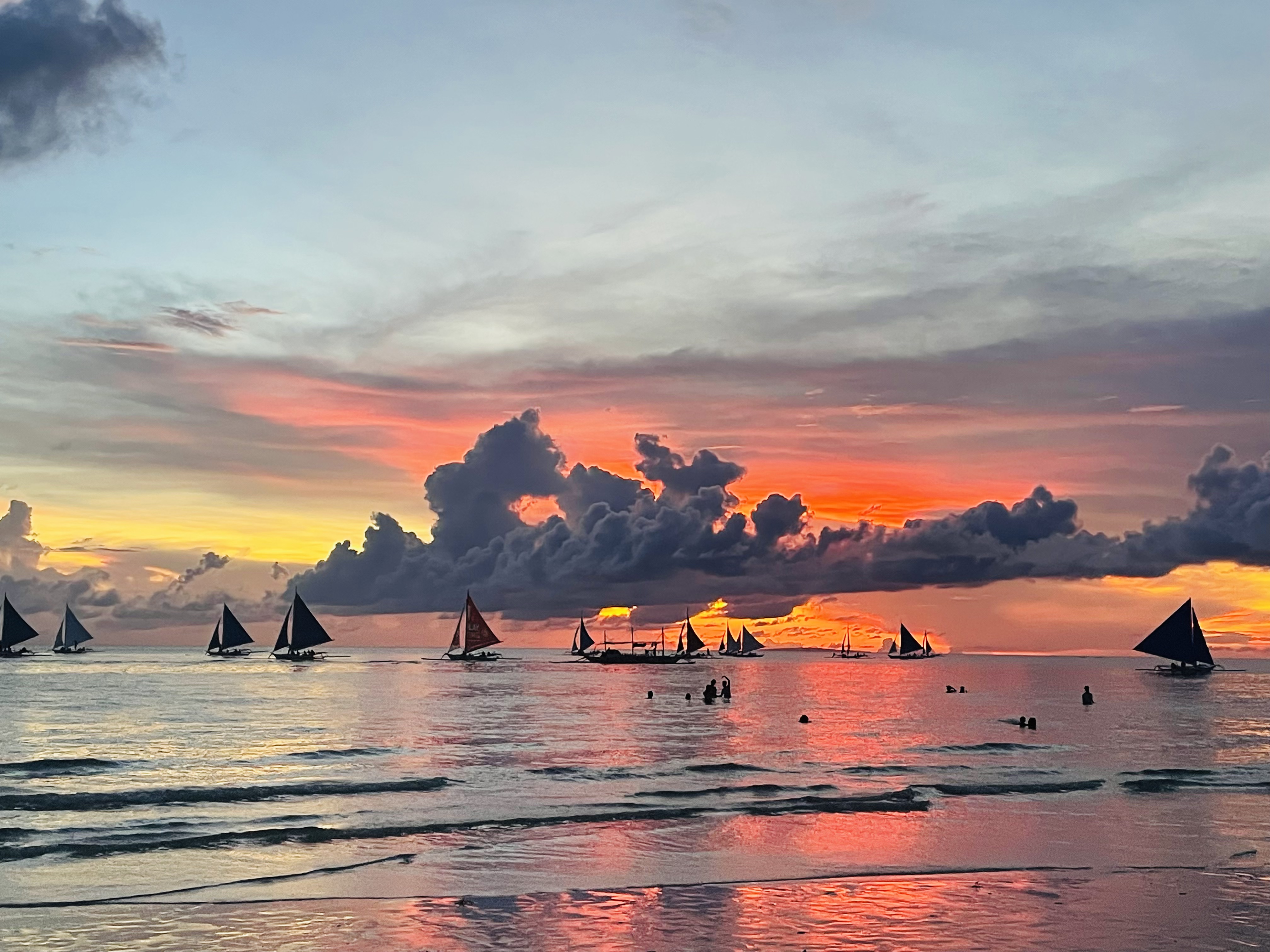
So there’s a little nudge to check out the island simply for the scenery and various amenities, especially if it’s already on your bucket list. And the diving’s not too shabby either 😉.
There are numerous shops on either side of the island to choose from, many PADI affiliated (which I tend to lean toward), and I will usually go with the one(s) who’ve been the most friendly and accommodating in the communication process prior to our visit. Angelica and I spent the day with Eclipse Dive Center Boracay, who come highly recommended, about a 15-minute walk from our resort on White Beach.

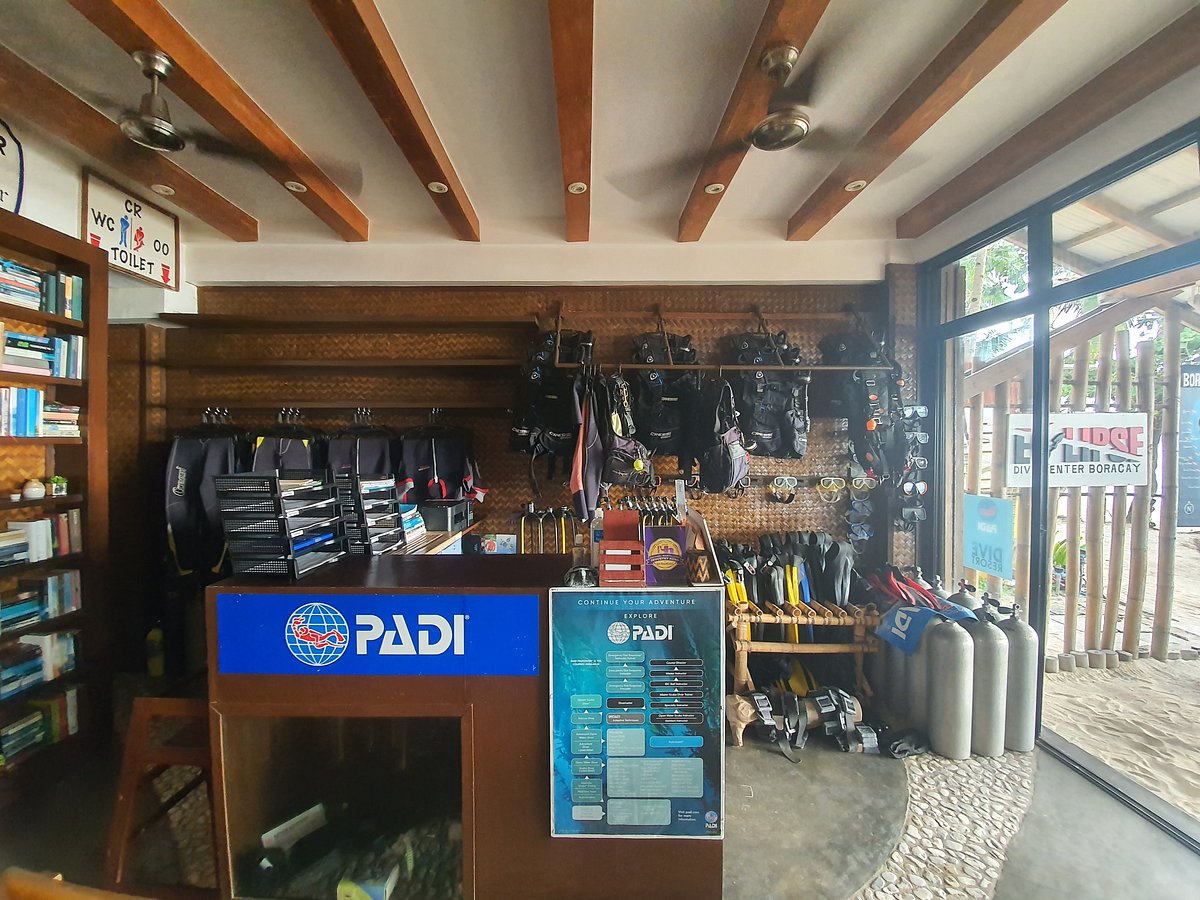
We met up with Mike, the shop’s manager, and got squared away quickly and efficiently. This was Angelica’s very first time diving, and we didn’t have time to do the entire Open Water Certification program with her right then, so we opted for an “intro” course called Discover Scuba. She worked one-on-one with Mike in the center’s pool, while I was taken on an open water dive with another guide. This also worked out to be a one-on-one situation, which made it even better, as my guide and I could go at our own pace without having other divers to worry about.
While Angelica learned about equipment and basic diving skills with Mike, I dove a large shipwreck called the Camia II. And as is the case with many wrecks, this Japanese vessel was deliberately sunk in 2001 to create an artificial reef for divers to explore, as well as promote marine conservation efforts.
There was plenty to see while swimming along the outside and within the Camia, and my guide was diligent to point out as much as he could while we explored. The ship was covered in dense and flowery sea flora of all types, especially around the landing and lookout areas. It seemed almost like underwater spiderwebs had been spun and had remained intact over the couple decades the ship had laid there (but thankfully no large underwater spiders to accompany them!)
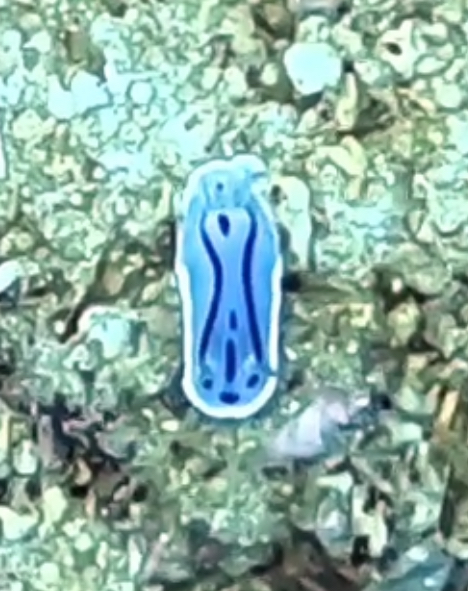
We saw numerous schools of Bluefin Trevallies, Batfish, Large Sea Bass, and a Scorpionfish or two camouflaging themselves against the rusty red metal of the ship’s decks (they’re poisonous, just like the little land critters!). There was some macro life to be seen as well, mostly in tiny colorful nudibranchs. The blue and white variety, as I’ve seen in more than one area of the Philippines, looks like the dab of toothpaste you squeeze out onto your brush once or twice a day.

We’d spent about 50 minutes down on the wreck before we called the dive, and I was excited to see how Angelica was doing with her skills training back at the shop. She’d been pretty excited about today, and I just hoped she was feeling confident about our upcoming dive together. After a proper surface interval, we headed right back in to meet her and the others.
Once we arrived, she was already suited up in her 2/3 mm wetsuit, and gear was prepped and ready for boarding. We were back out on the water in about 15 minutes, with only another 15-min boat ride to our destination. I’m not sure if there was ever a name mentioned for this particular reef, but it was designed to be an easy and comfortable dive for beginners, just about 30ft/ 10m deep. The weather was still bright and beautiful, and overall conditions were greatly in our favor.
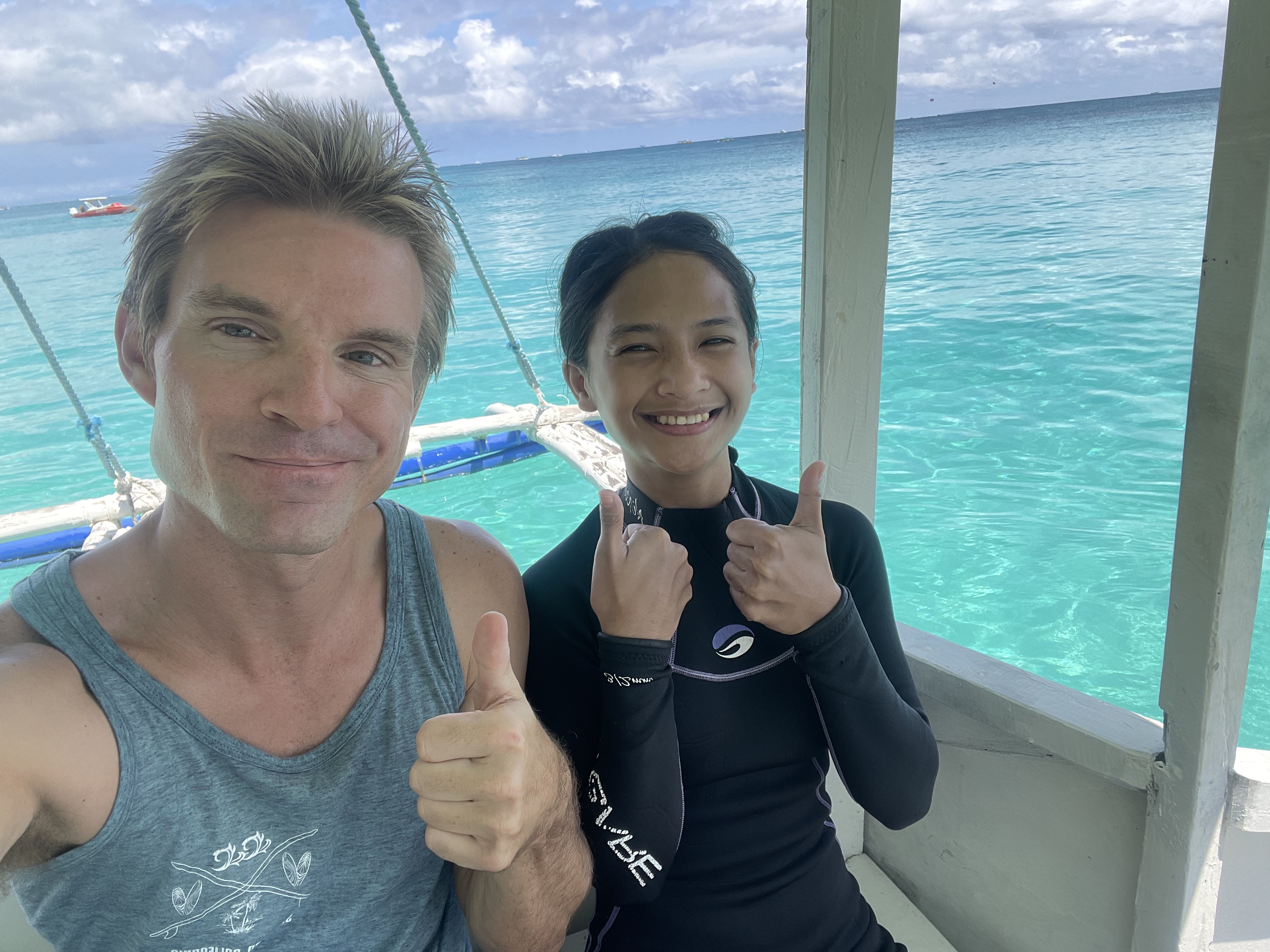
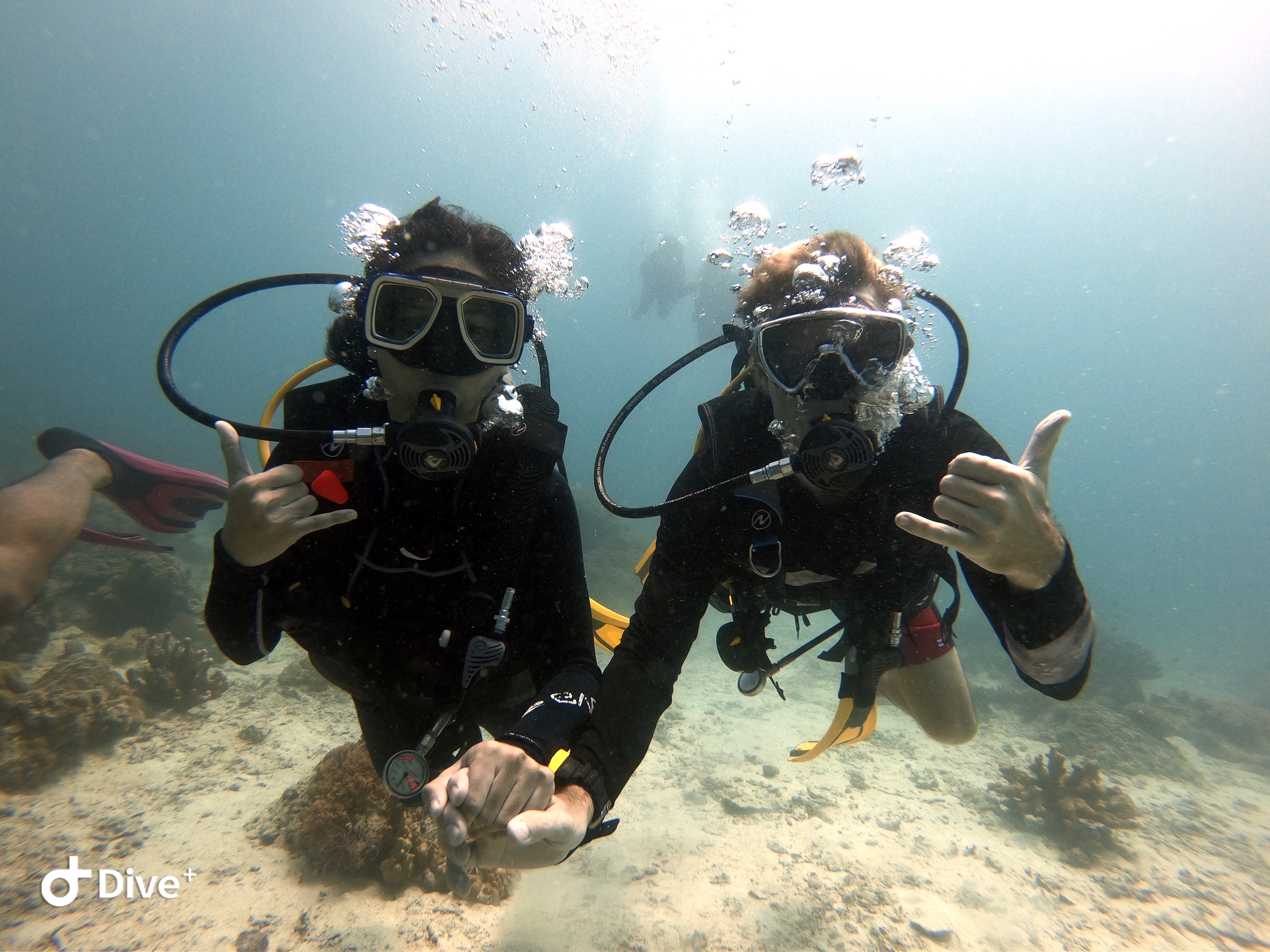
And we’re off…
Getting comfortable breathing and maneuvering underwater with essentially a life-support system strapped to your back can be a lot to manage, especially in the beginning. And I’ve learned that so much of it truly comes from just getting your mind “right” in the moment, so to say.
Something that I tell myself at times when conditions might take an unexpected turn, or there might be a sudden spike in the anxiety levels is to “trust yourself, trust your training, and trust your equipment”. And if you have indeed done everything to the best of your knowledge and skill, it works more often than not to help calm the nerves.
Angelica did great and had an awesome time, as did I. We plan to get her Open Water Certification within the year (whether she knows this or not 🤣). Aside from our dive, there is a lot more we could discuss about our week in Boracay, and if anyone reading would like to know more, please feel free to leave a question or comment below. As always, thanks for following the bubbles 🫧
 Vagabond In Fins
Leave a comment